AI ART
Many of us already use AI without thinking about it—text correction, image upscaling, web searches, and many other small tasks. It has quietly entered everyday life. At the same time, there is something unsettling about relying on tools that may eventually dismantle entire professions and ways of working that seemed essential only a moment ago.
I have seen a similar shift before. When I studied design, the craft was very manual. We spent hours drawing the meeting point of two lines in black ink, correcting tiny mistakes that spilled beyond the perfect joint with white paint. When the first Apple computer arrived in the teachers' office, it felt like an alien object no one quite knew what to do with. Then the moment changed when a couple of clicks on a keyboard replaced hours of work, done within seconds. Soon entire floors of the college building — dedicated to typography blocks, film negatives, and traditional printing techniques — became obsolete. Within a few years, the entire five-floor building had transformed completely. The old methods quietly gave way to the digital era. The difference was that we still needed people to do the work. Now we are not so sure about the future.
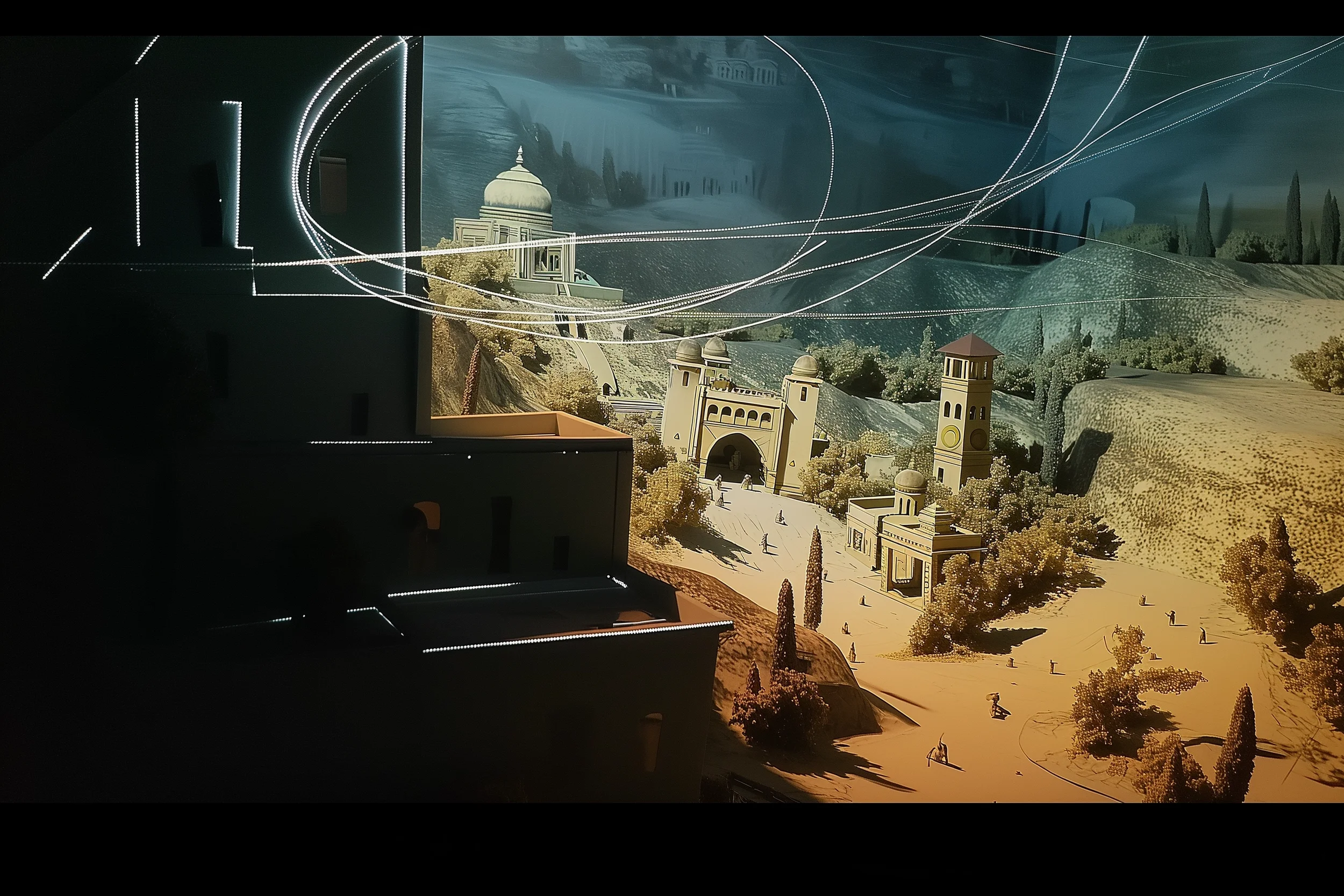
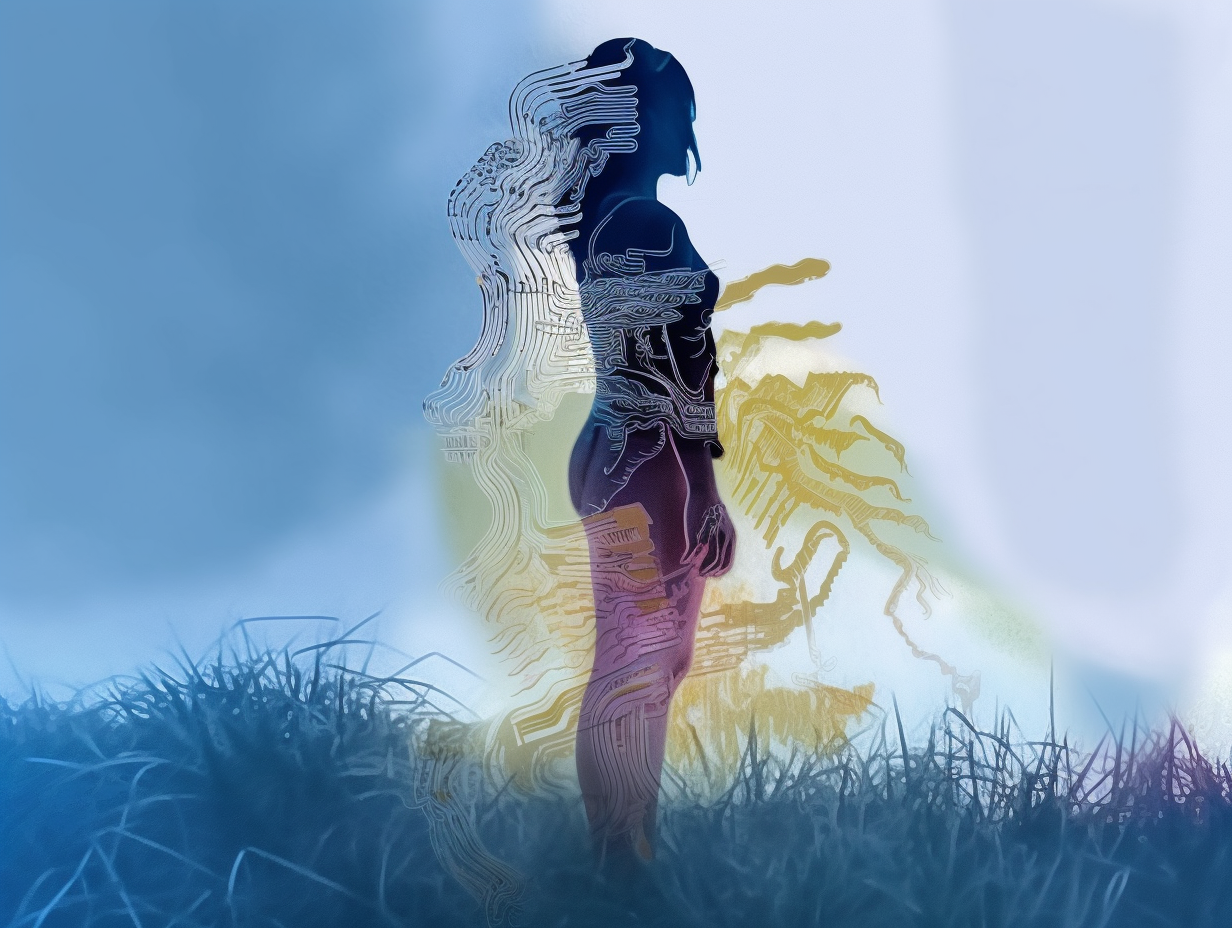
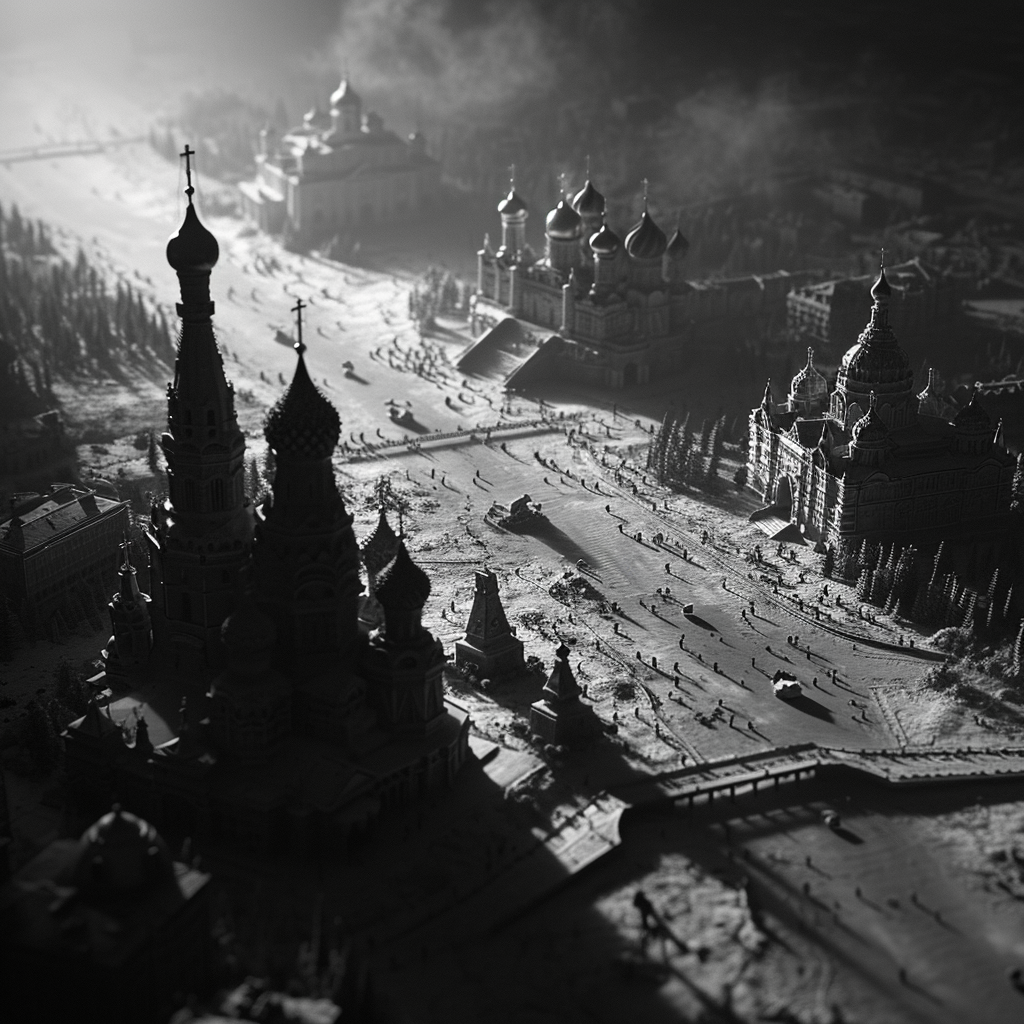
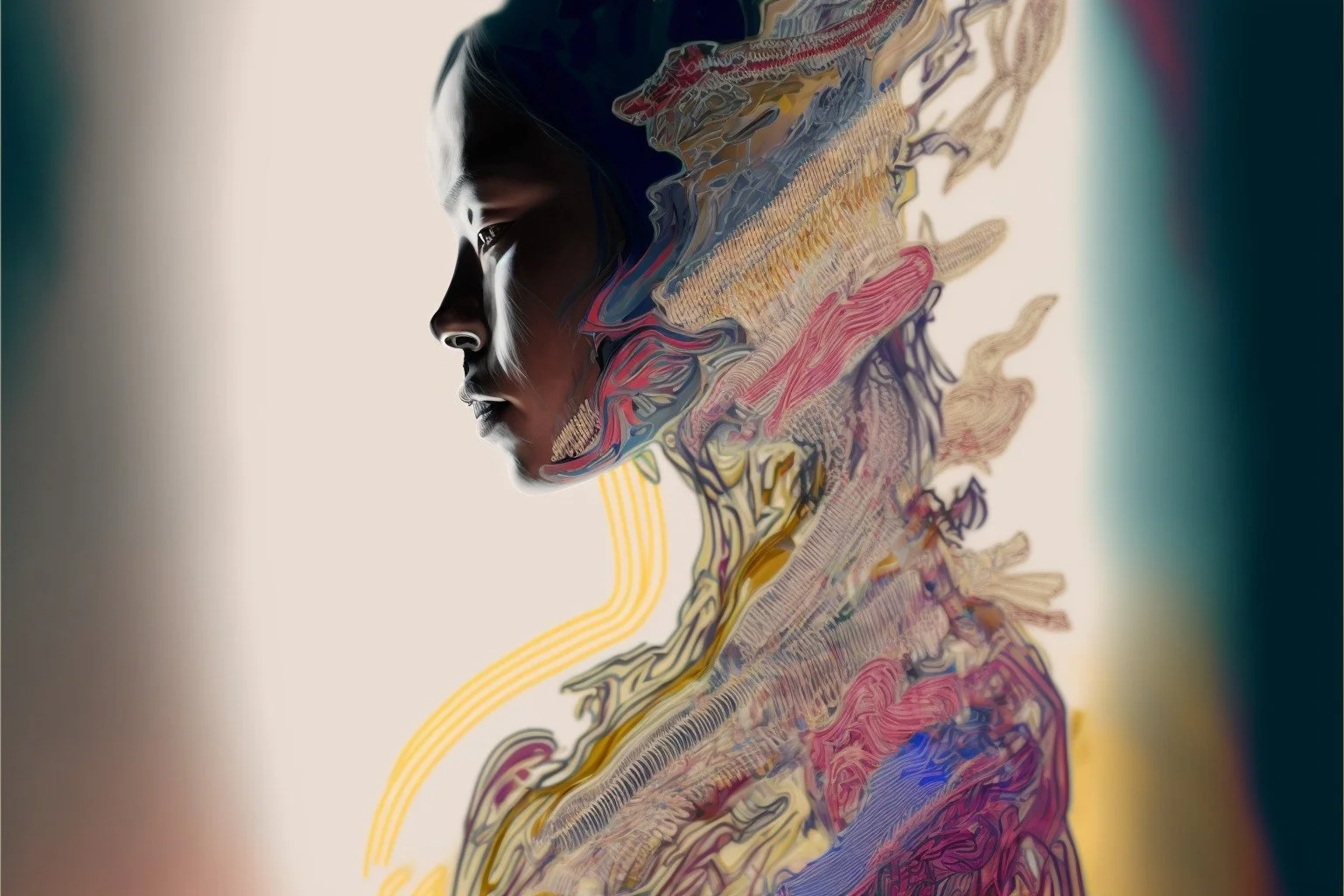
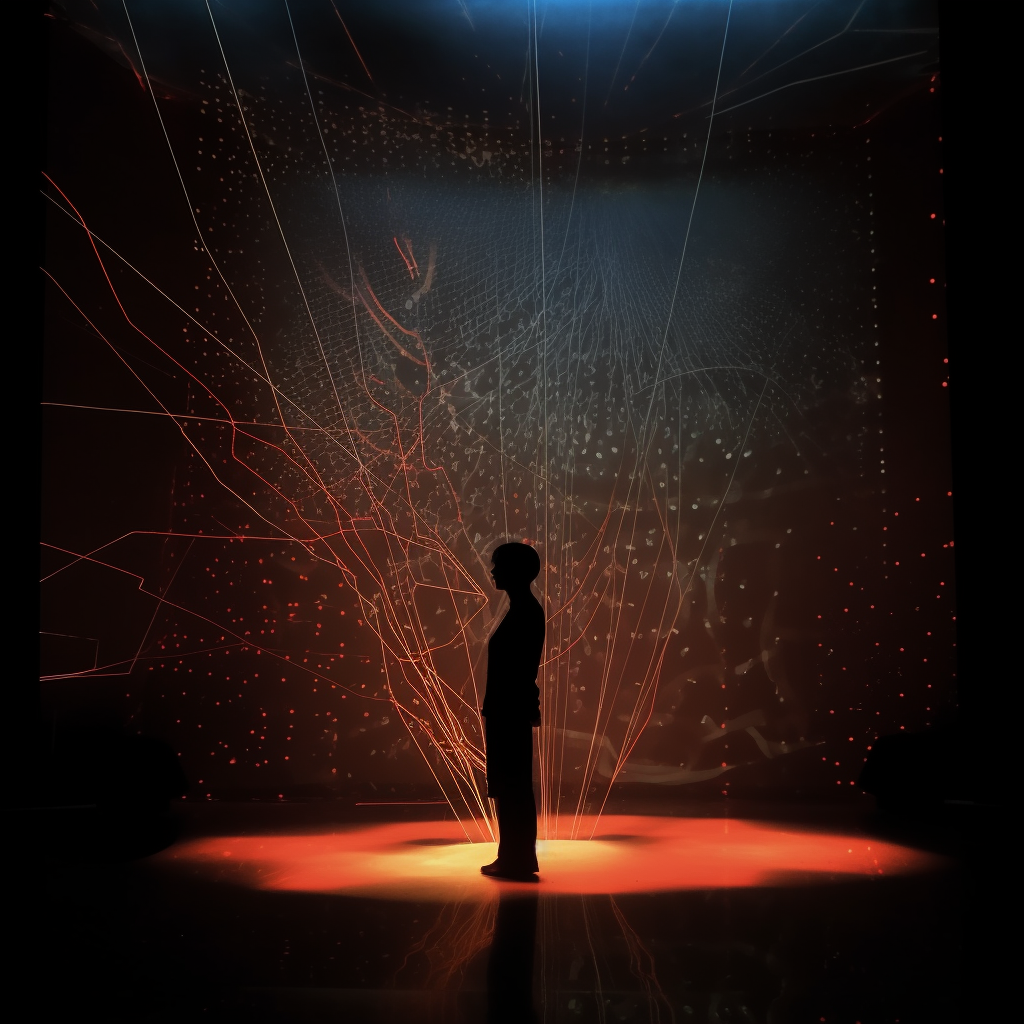
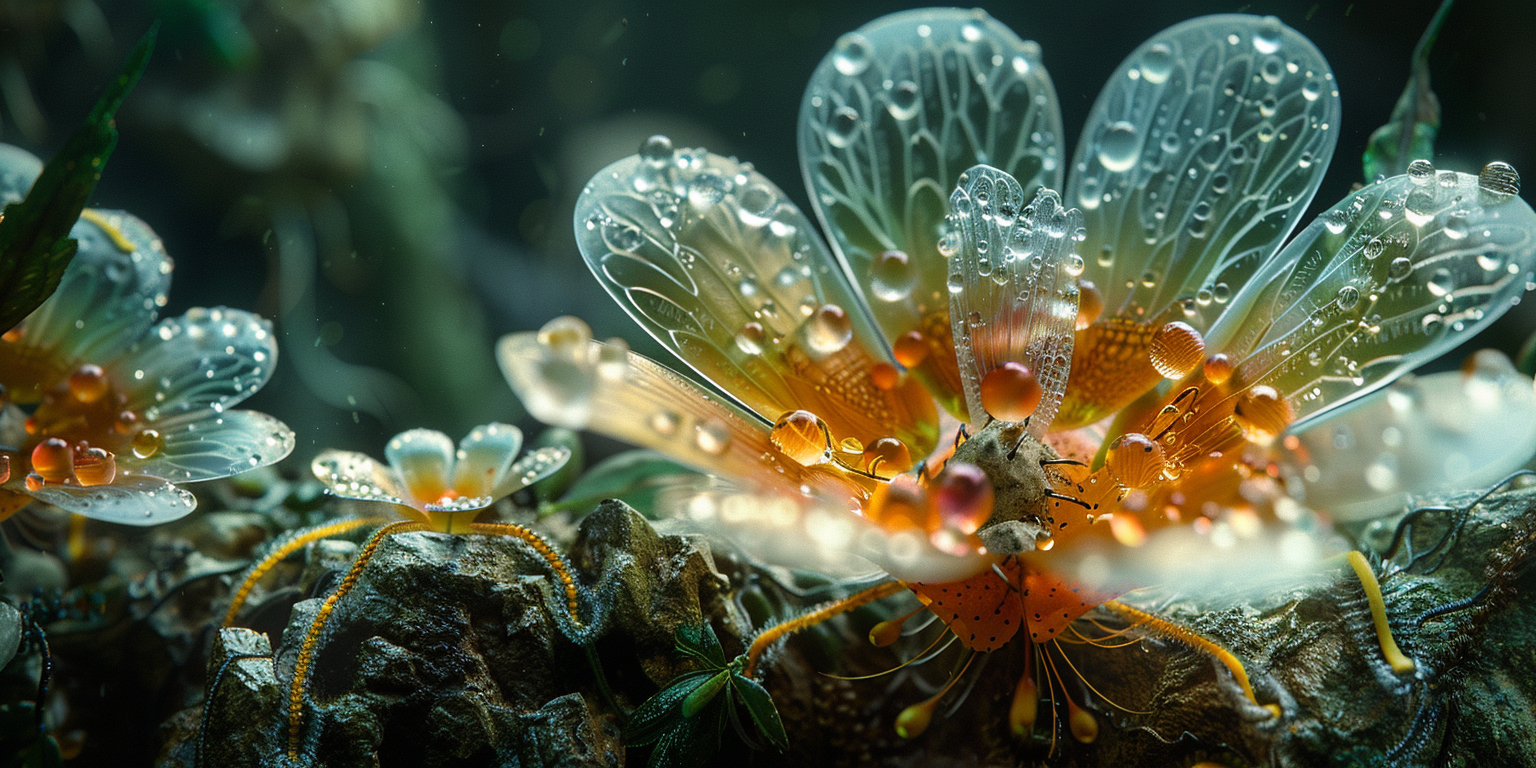
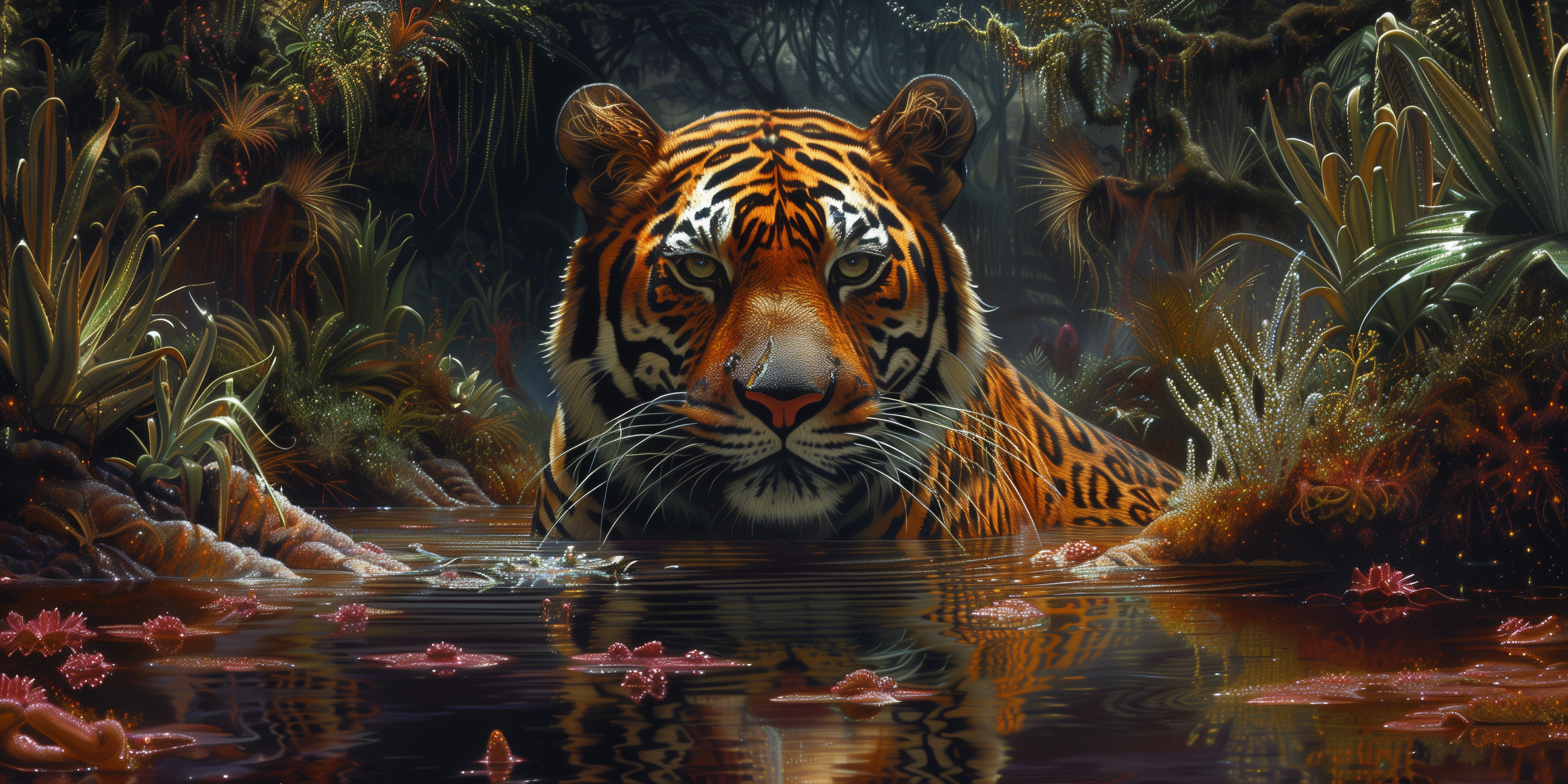
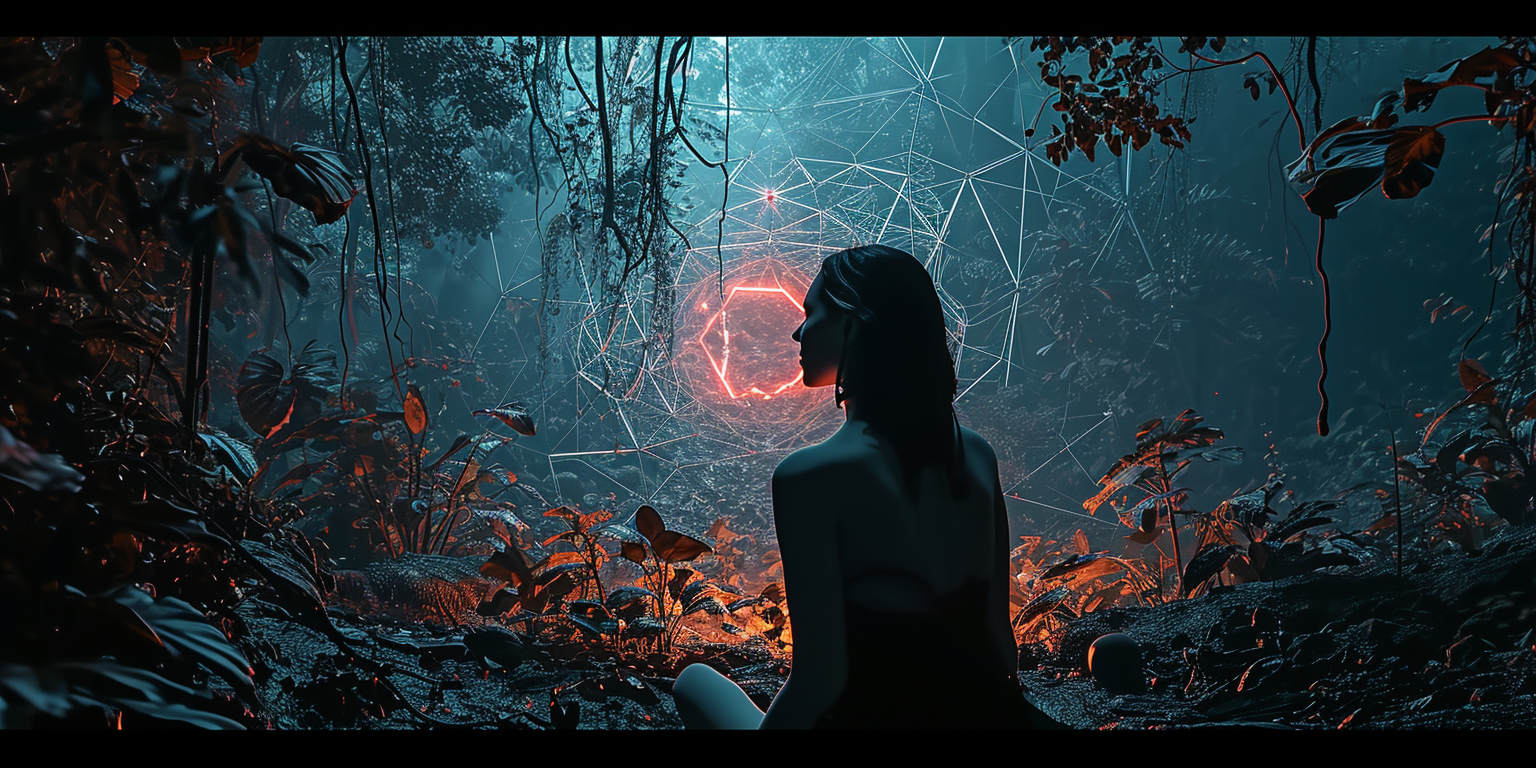
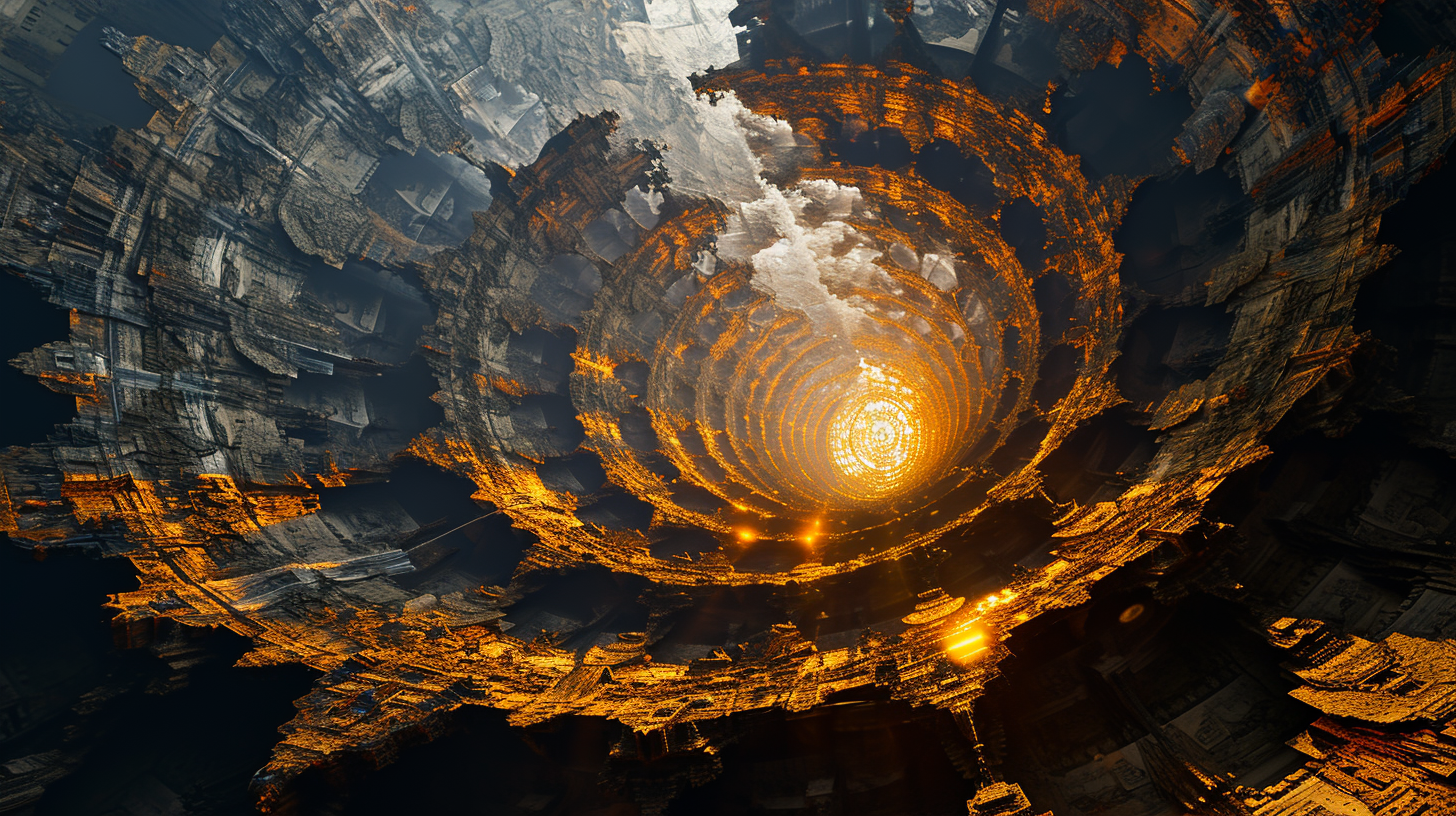
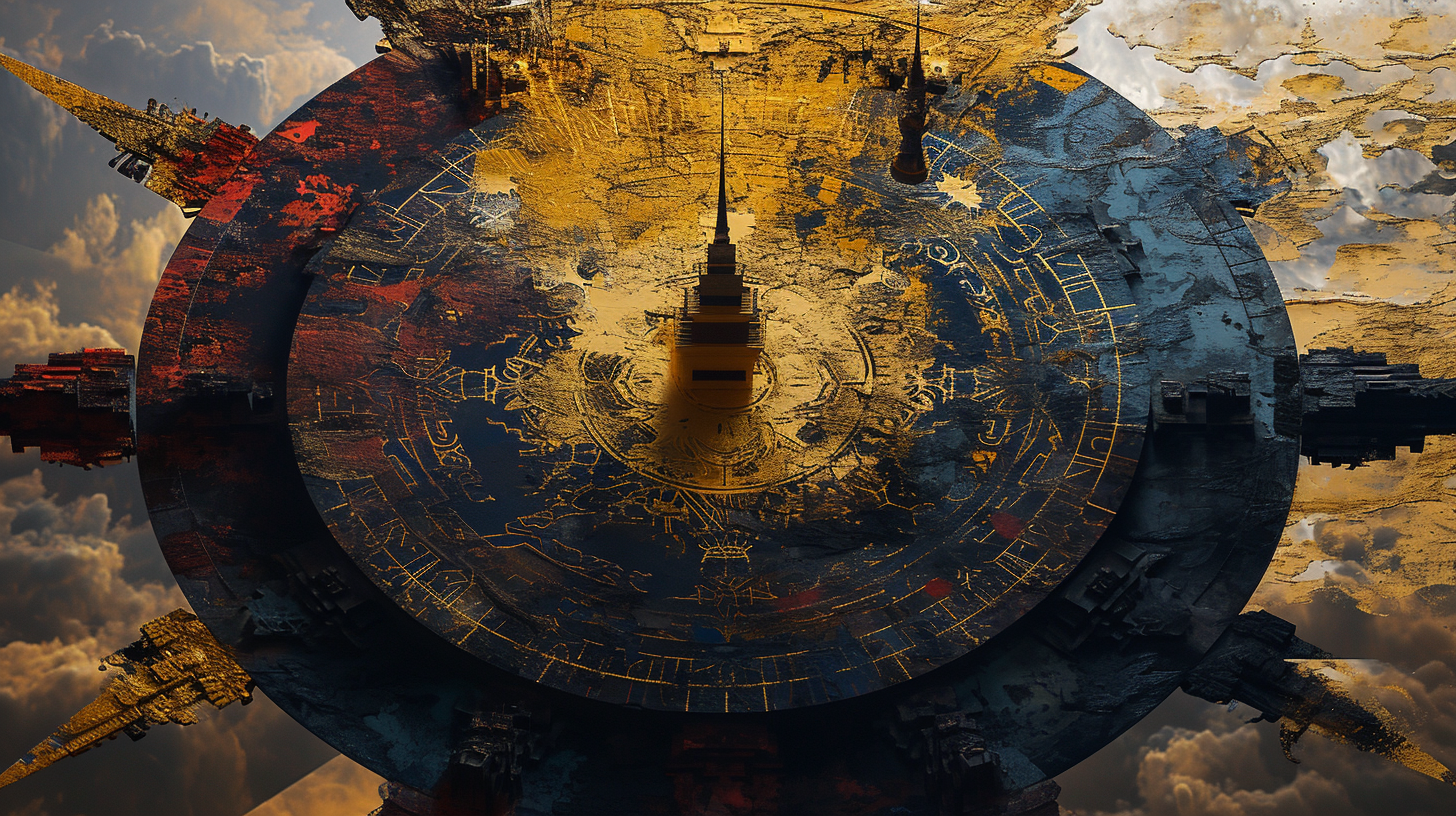
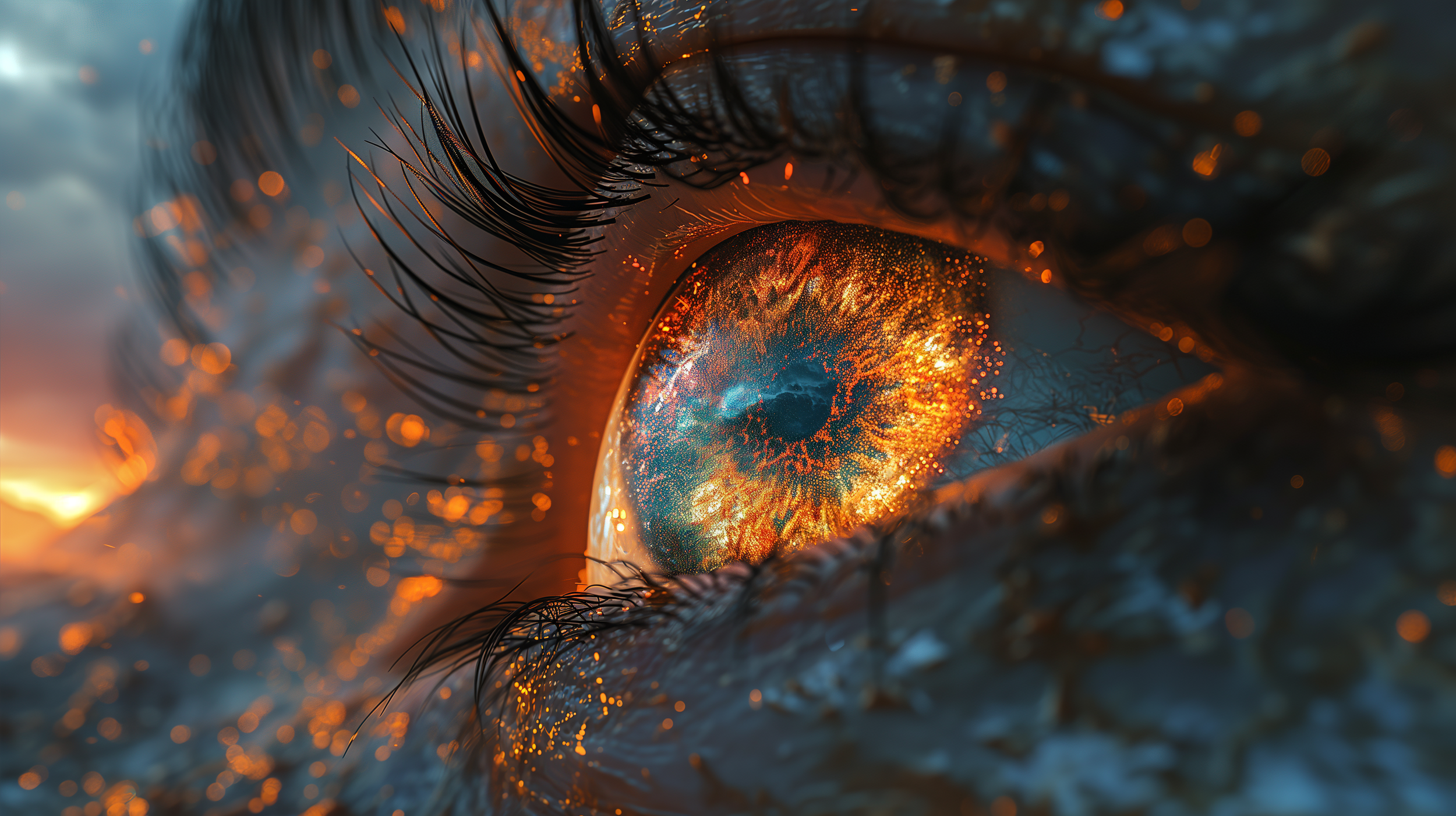
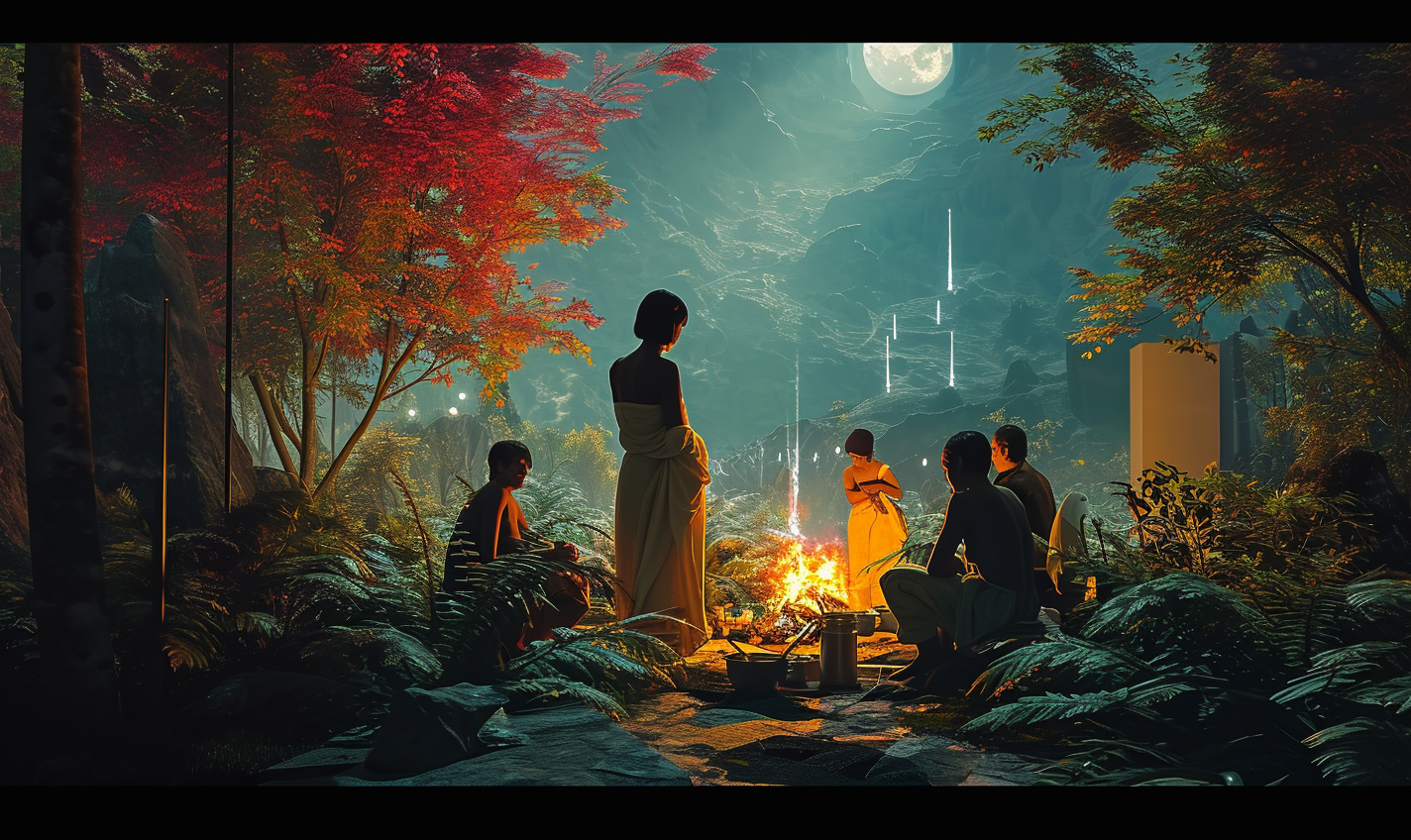
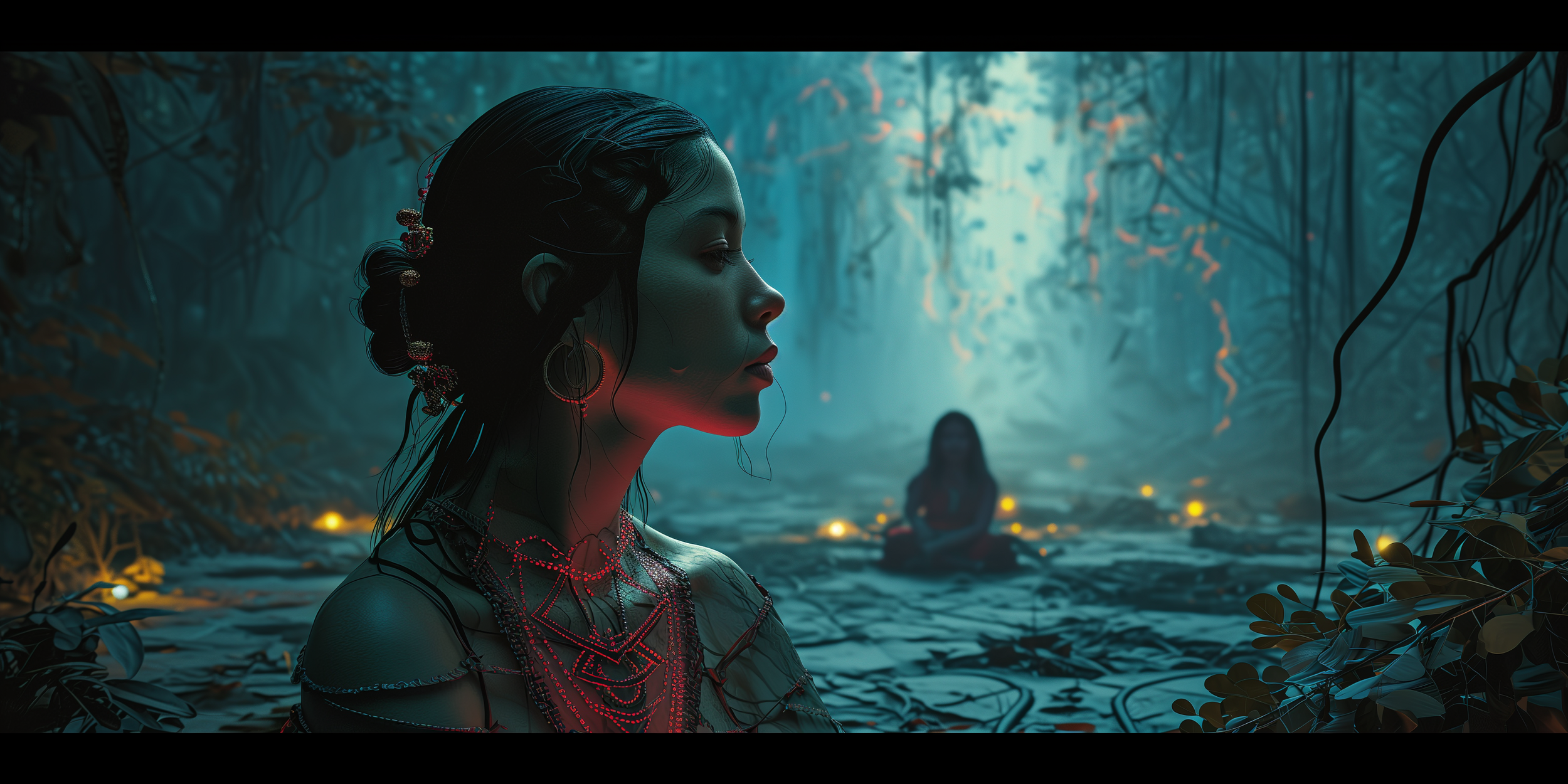
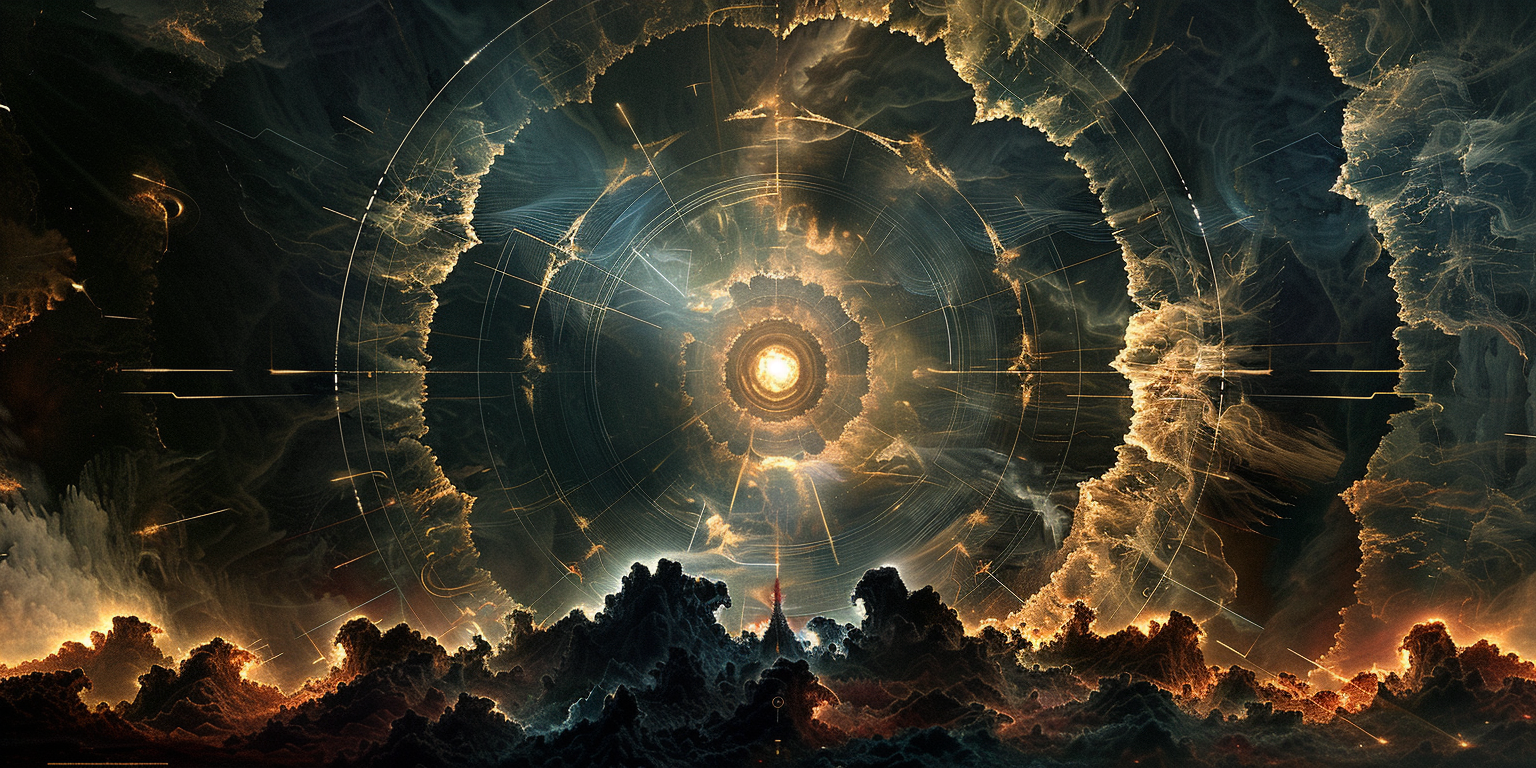
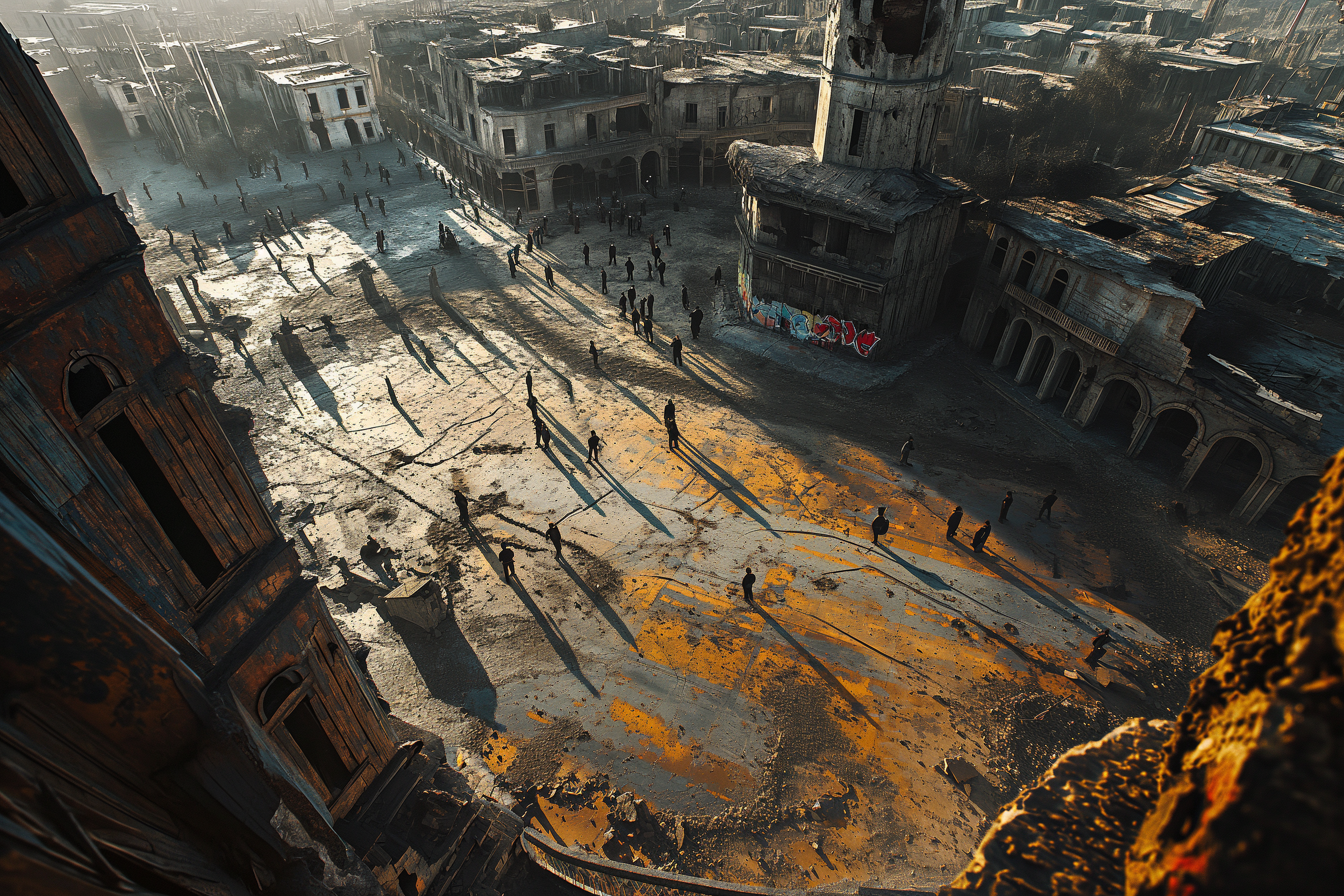
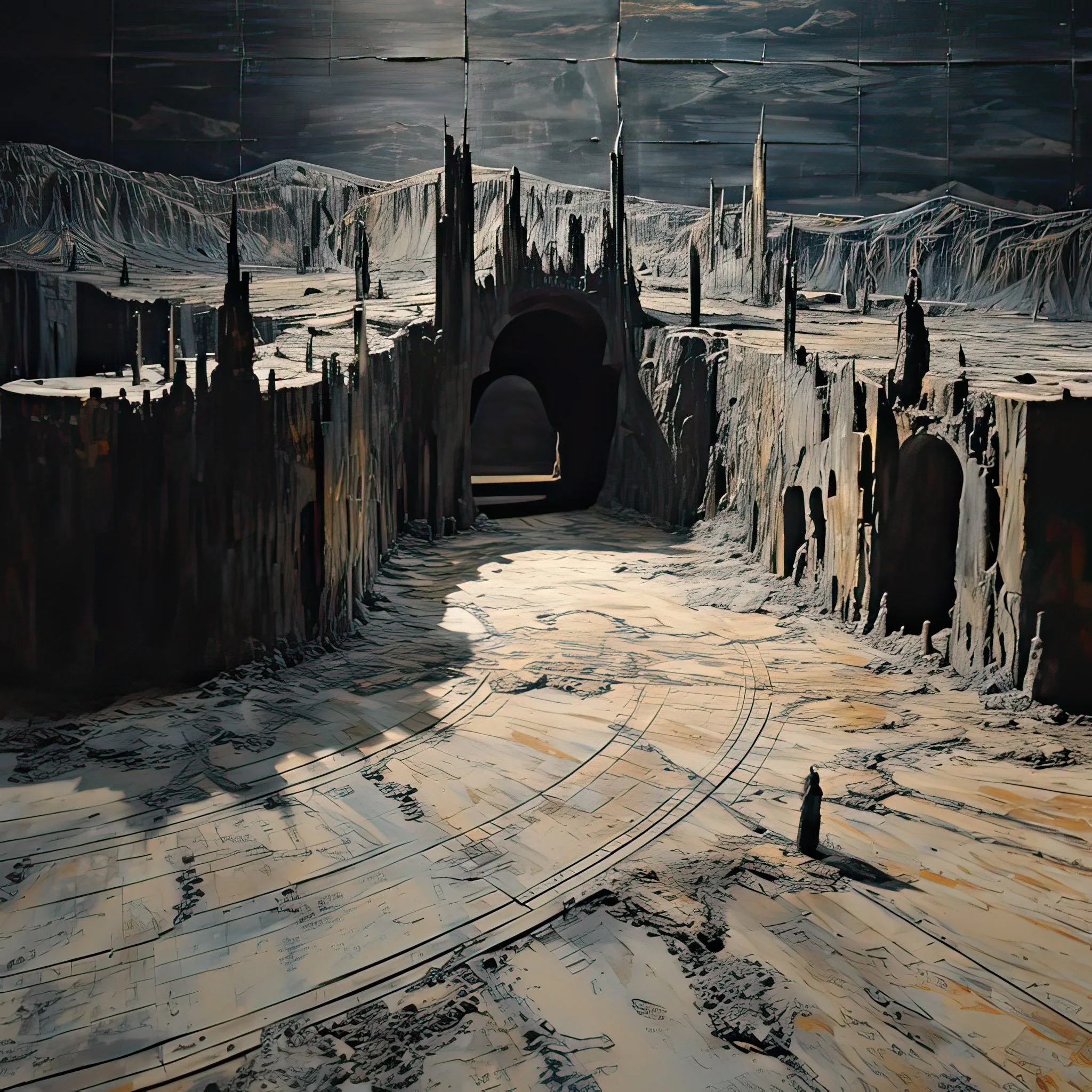
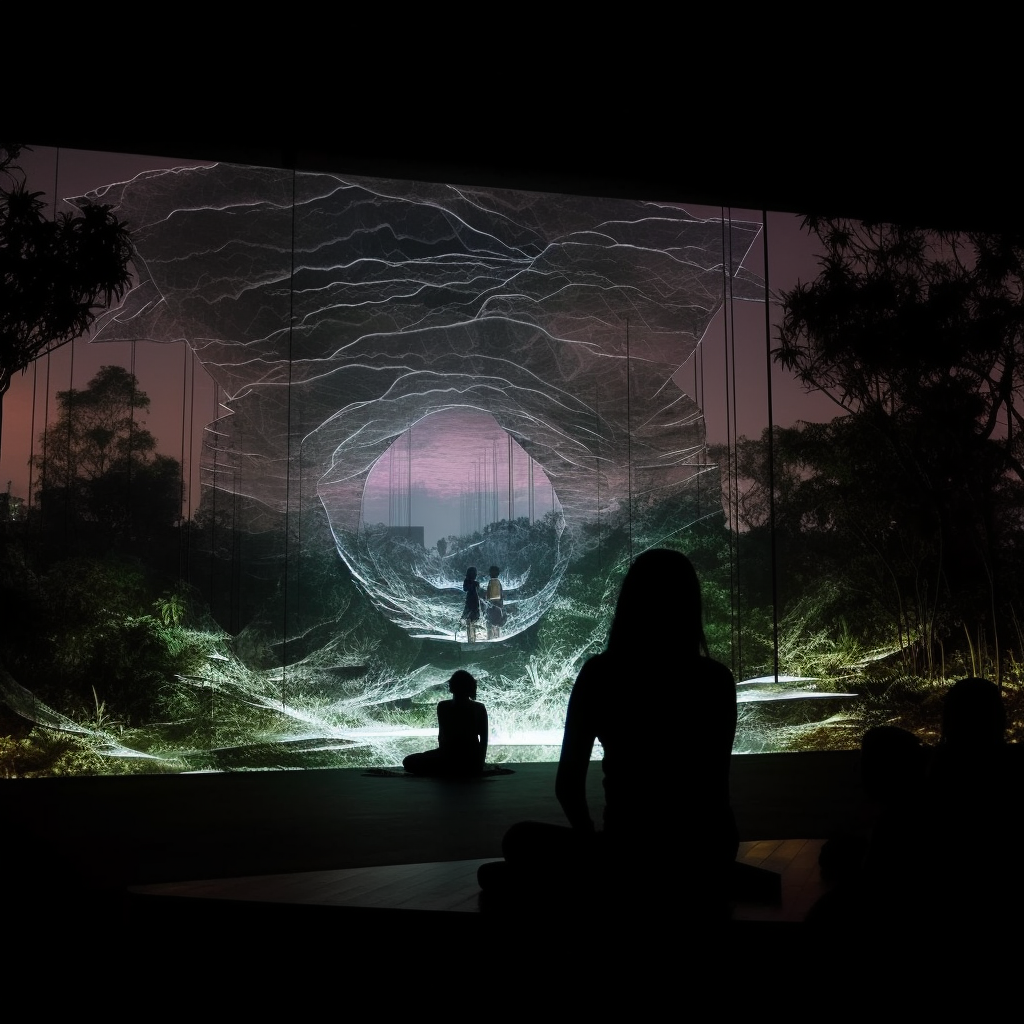
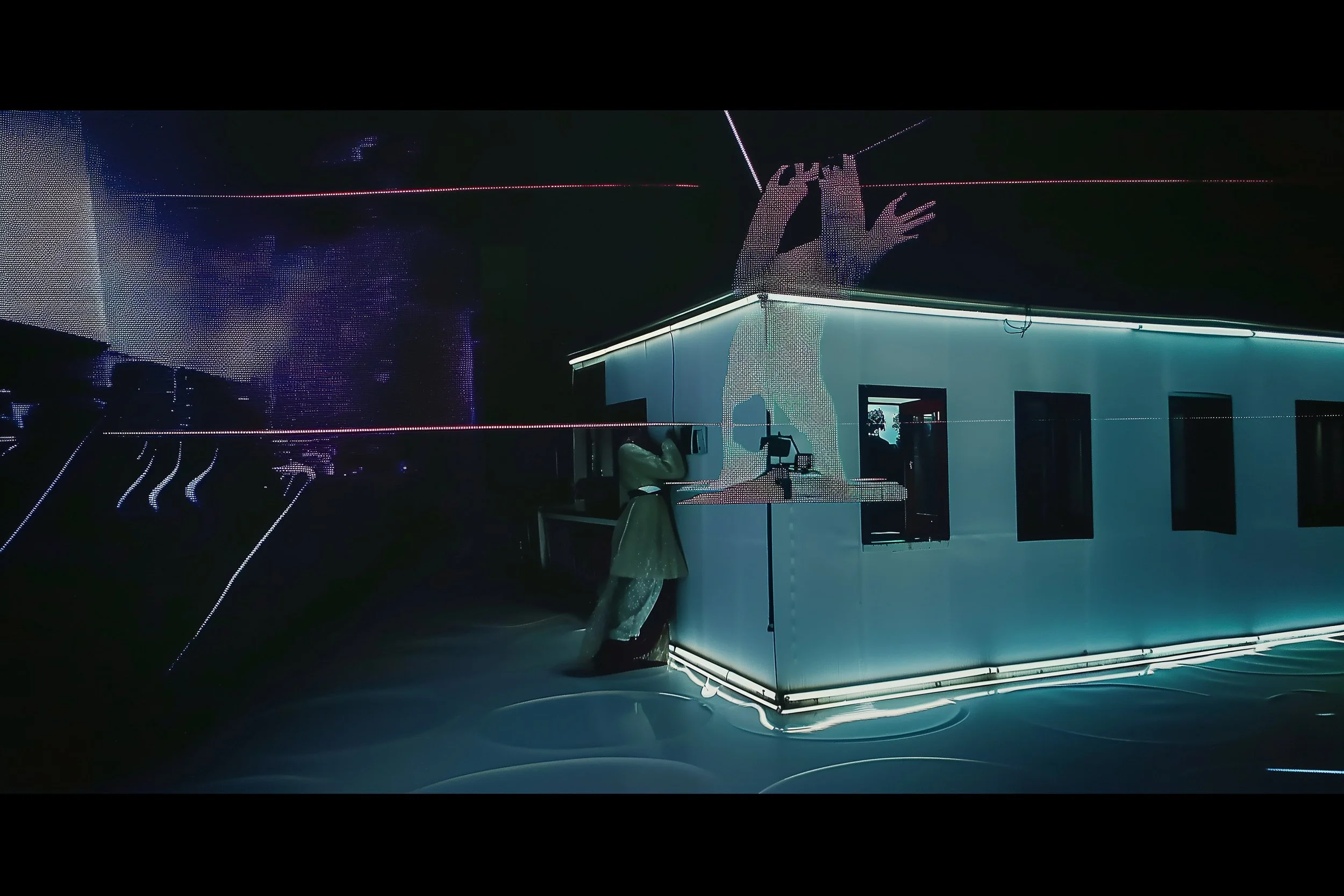
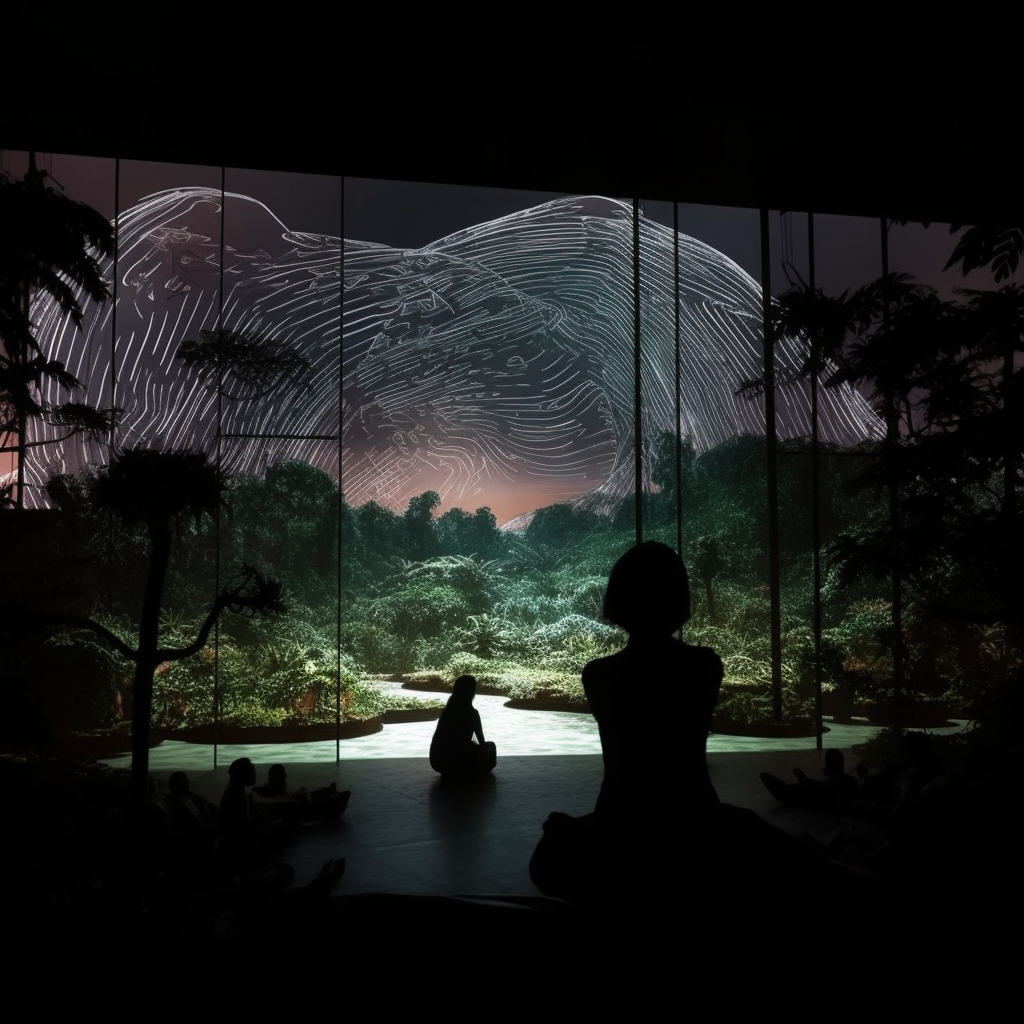
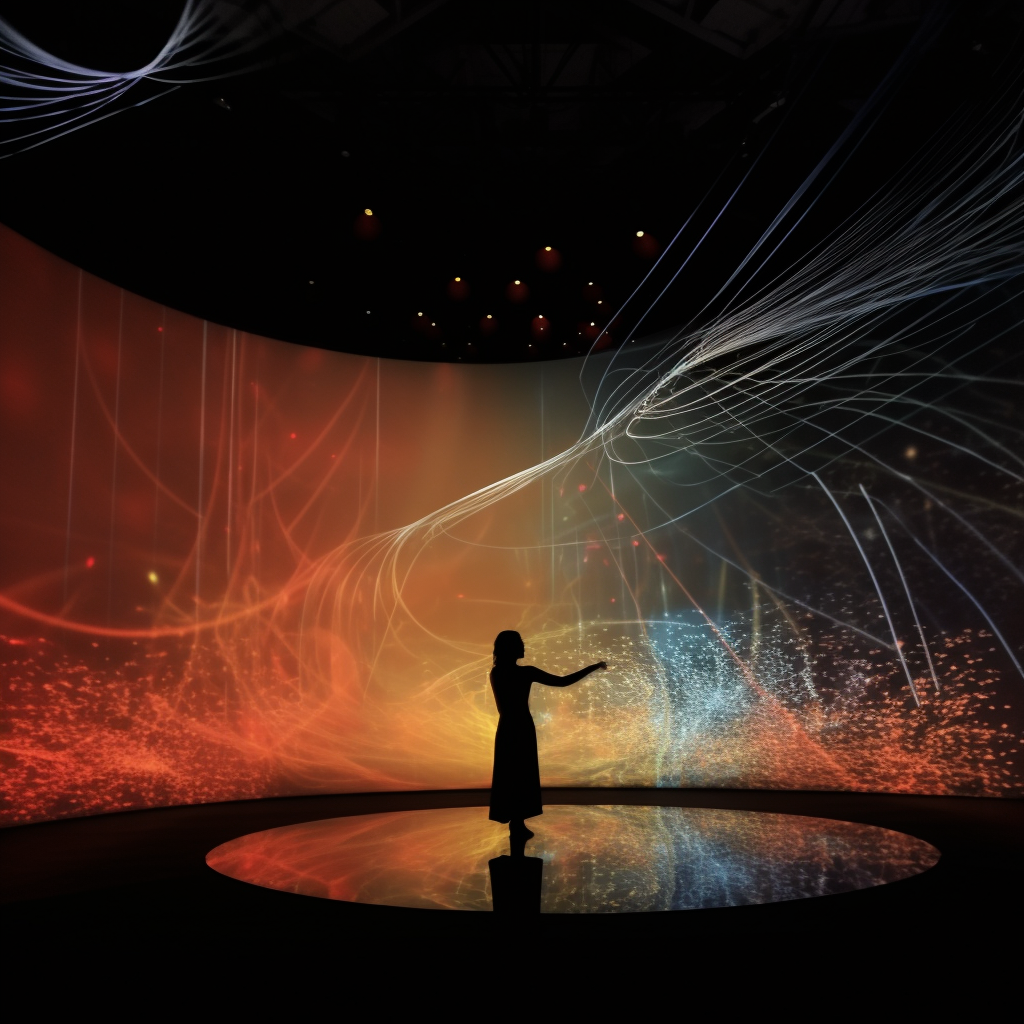
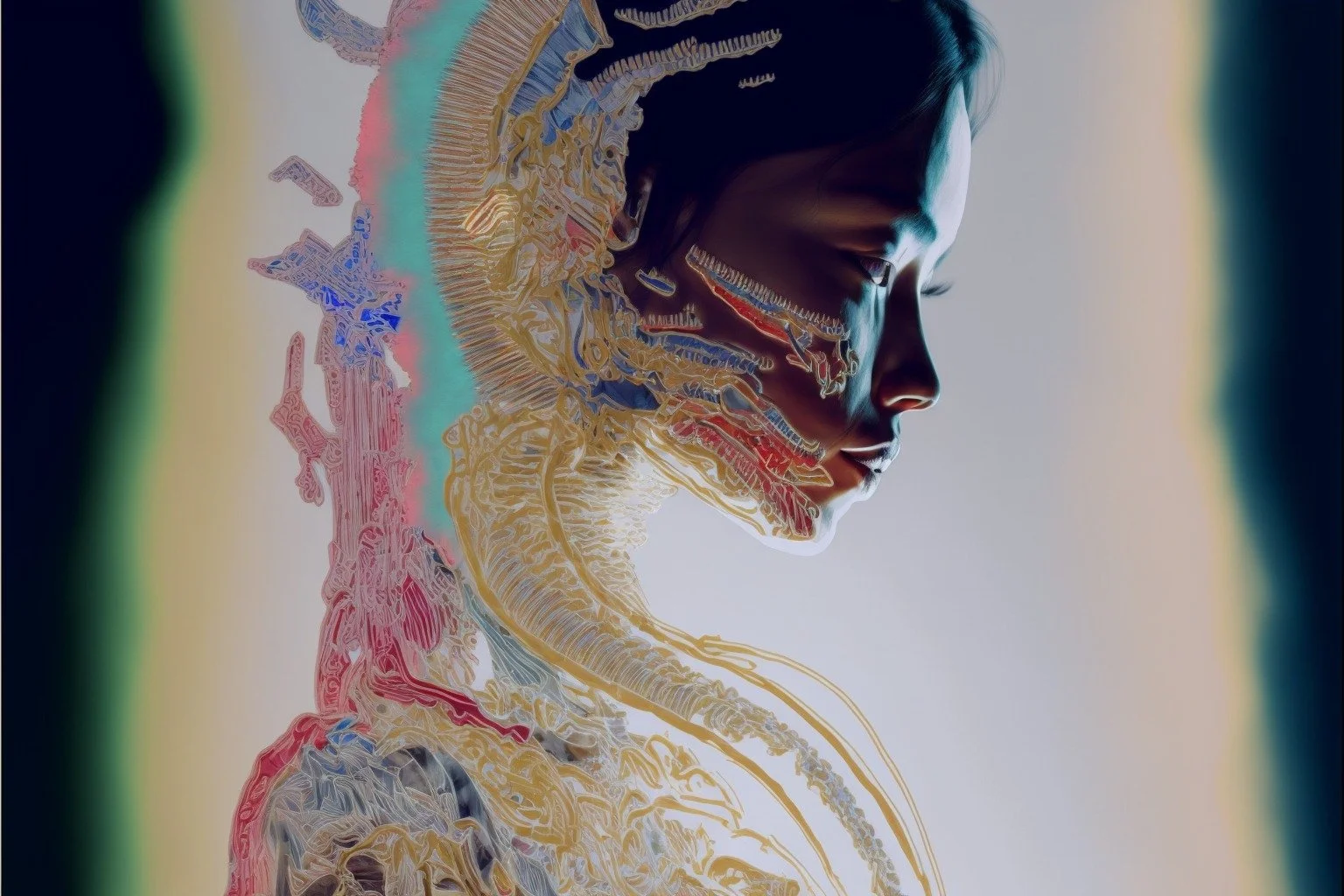
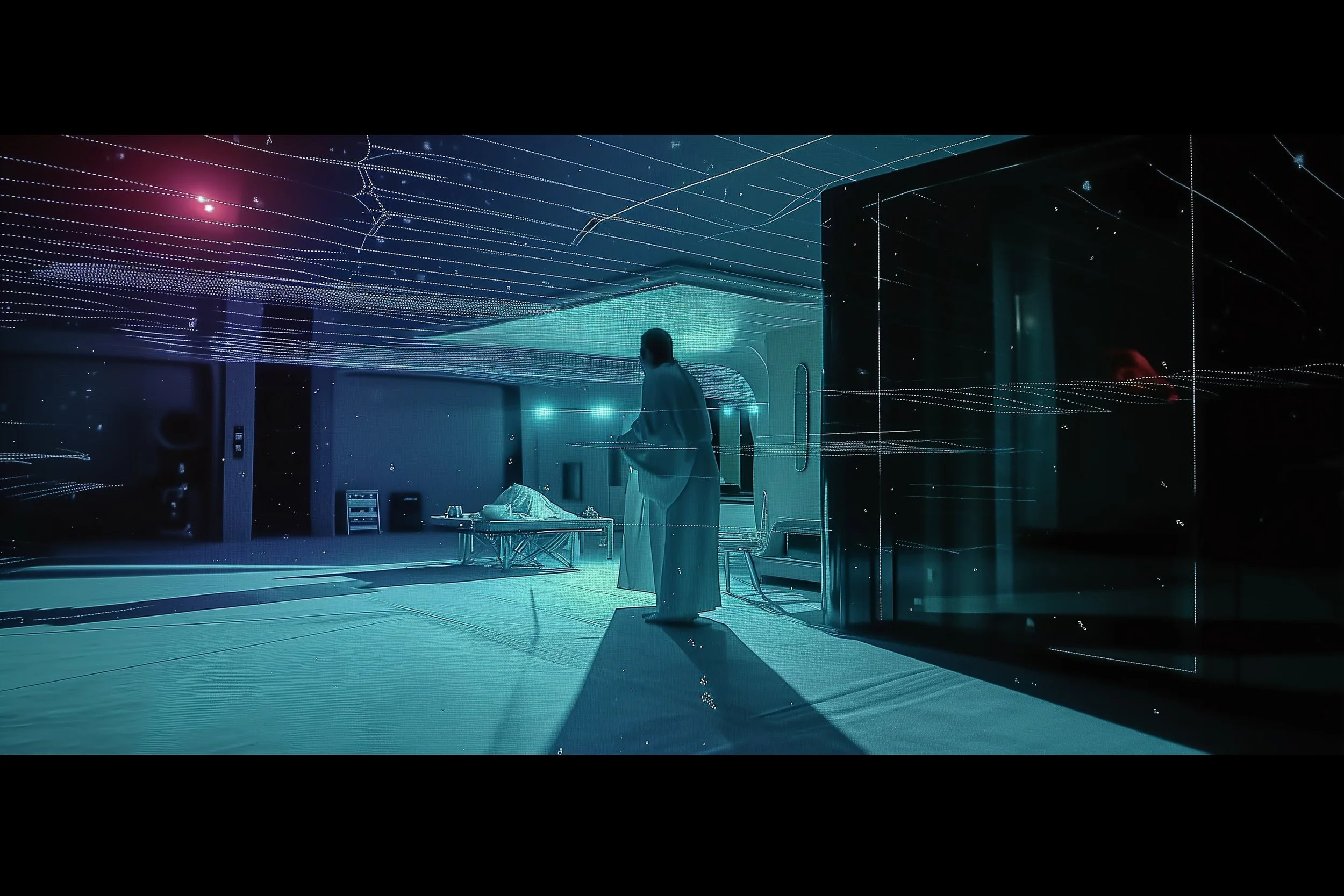
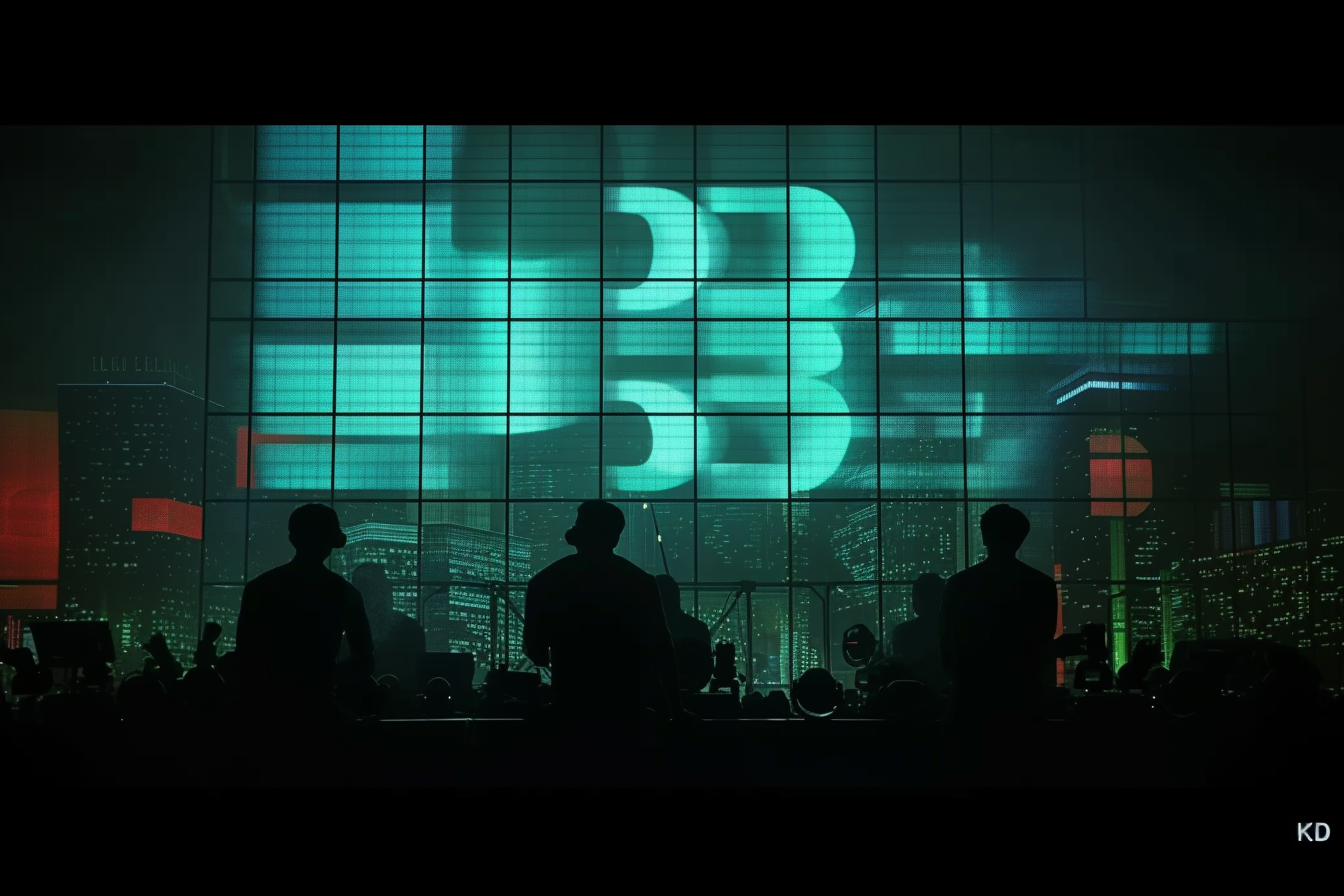
As an image-maker often working with limited budgets—restricted sets, locations, and crews—AI also opens doors to visual worlds that once existed only in imagination. Yet my desire remains the same: to work with real people, to film real places, to use real light and physical sets, to travel, and to create and project work in front of live audiences. AI hopefully will simply become another tool in that process. In some ways, it reconnects me to one of my earliest inspirations: the graphic novels of my youth, where artists could build deeply personal universes, independently and without constraints. In that spirit, theses new tools offer another way to extend the language of images—pushing it toward territories that once felt impossible to reach.
I still think it takes a human artist to push and create a new sense of style, build new worlds that are precisely in tune with a project's intent, and direct a vision embedded within a message to convey